Embarking on a construction project can be both exciting and challenging. Whether you're building a new home, renovating, or undertaking a commercial development, making informed decisions is key to ensuring the success and longevity of your project. Here are some essential tips and insights to guide you through the process.
1. Planning and Design
Before breaking ground, invest time in thorough planning. Work with architects and engineers to create detailed blueprints that consider your needs, budget, and future expansion possibilities. Proper planning helps prevent costly mistakes and delays down the line.
2. Budgeting and Cost Management
Establish a realistic budget that includes all aspects of construction—from permits and materials to labor and contingency funds. Always allocate extra funds for unexpected expenses. Regularly monitor costs and adjust your plans accordingly to stay within budget.
3. Material Selection
Choosing the right materials is vital for durability, safety, and aesthetics. Consider environmental factors such as climate, humidity, and exposure to elements. Use weather-resistant and sustainable materials where possible. High-quality materials may cost more initially but can save you money in maintenance and repairs over time.
4. Hiring Qualified Professionals
Engage experienced and licensed contractors, subcontractors, and suppliers. Verify their credentials, read reviews, and ask for references. Clear communication and a well-defined scope of work will help ensure your project runs smoothly.
5. Building Permits and Regulations
Familiarize yourself with local building codes and obtain all necessary permits before starting construction. Compliance with regulations not only avoids legal issues but also ensures safety standards are met.
6. Site Preparation
Prepare the construction site thoroughly. Clear debris, level the ground, and ensure proper drainage. A well-prepared site minimizes issues during construction and helps achieve a high-quality finish.
7. Construction Timeline
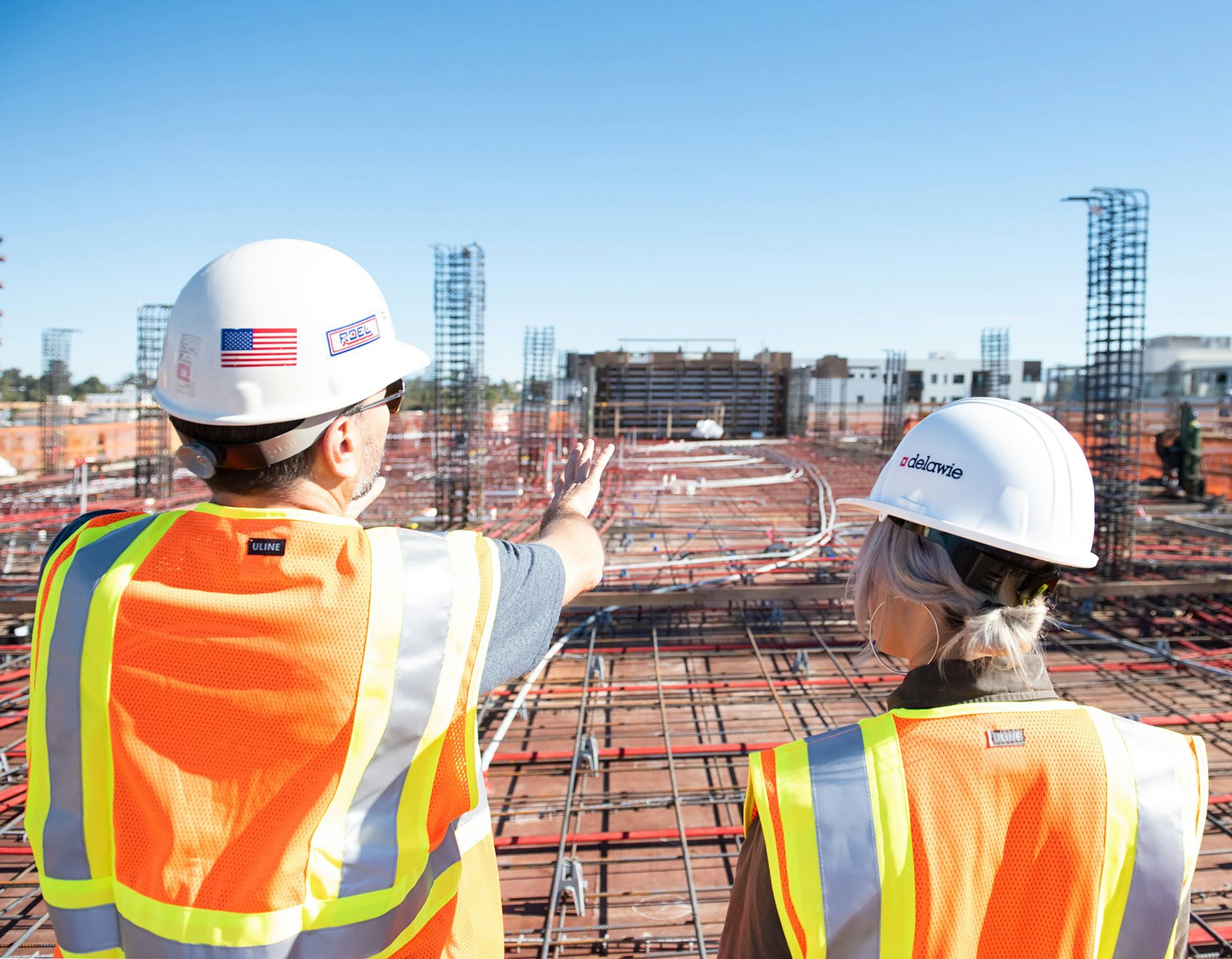
Develop a realistic timeline with milestones. Regularly review progress and address delays promptly. Good project management keeps the work on schedule and within budget.
8. Safety Measures
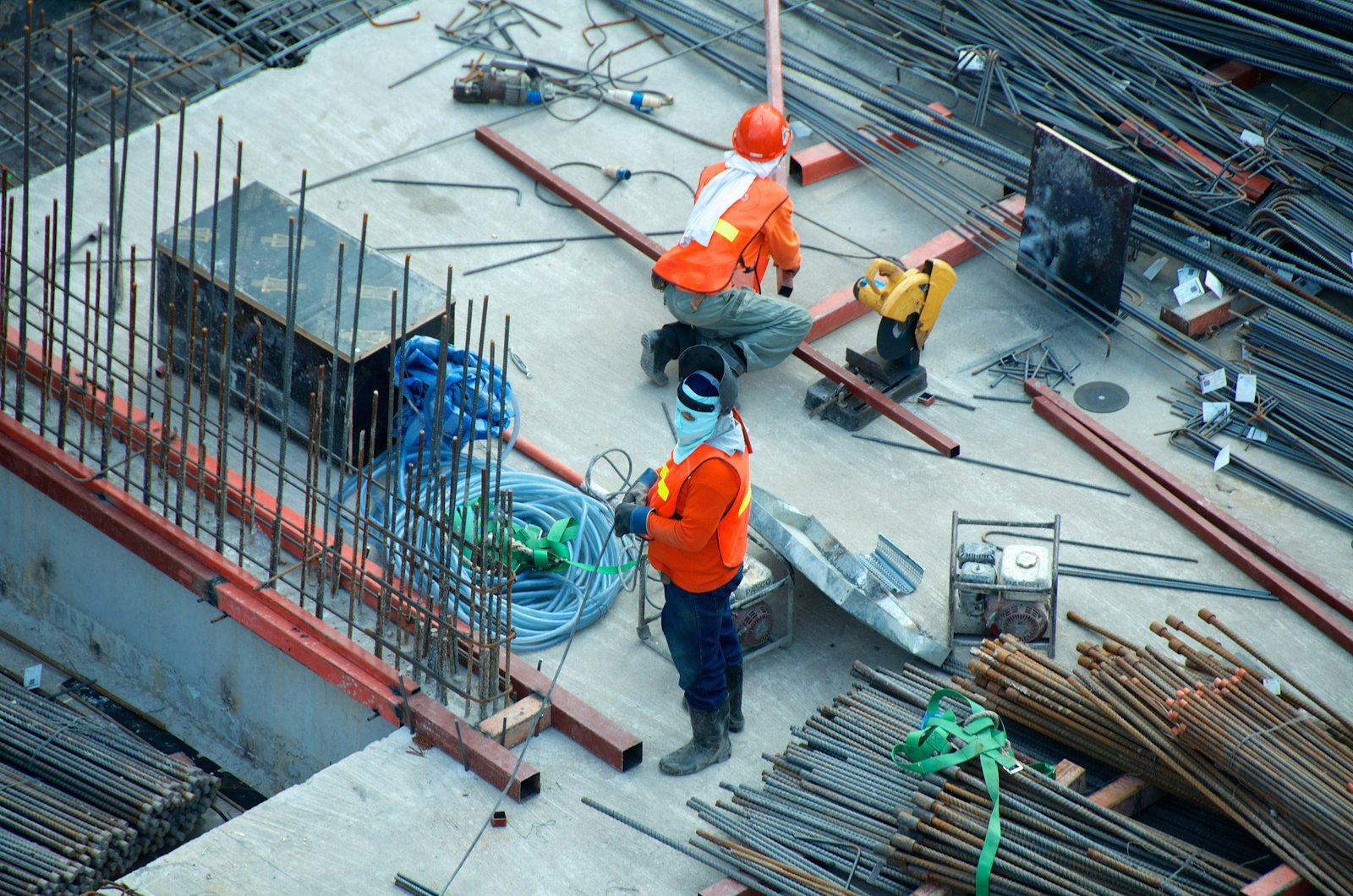
Prioritize safety for all workers and visitors. Implement safety protocols, provide proper equipment, and conduct regular training. A safe work environment reduces accidents and project delays.
9. Quality Control
Inspect work regularly to ensure it meets quality standards. Address issues immediately to prevent rework. Quality control saves time and money and results in a better final product.
10. Post-Construction
Once completed, conduct a thorough inspection. Address any deficiencies or touch-ups. Keep documentation and warranties for future reference. Proper maintenance will extend the lifespan of your construction.
Conclusion
Construction projects require careful planning, skilled execution, and ongoing management. By following these tips, you can help ensure your project is successful, on budget, and built to last. Stay informed, work with trusted professionals, and enjoy the process of bringing your vision to life.